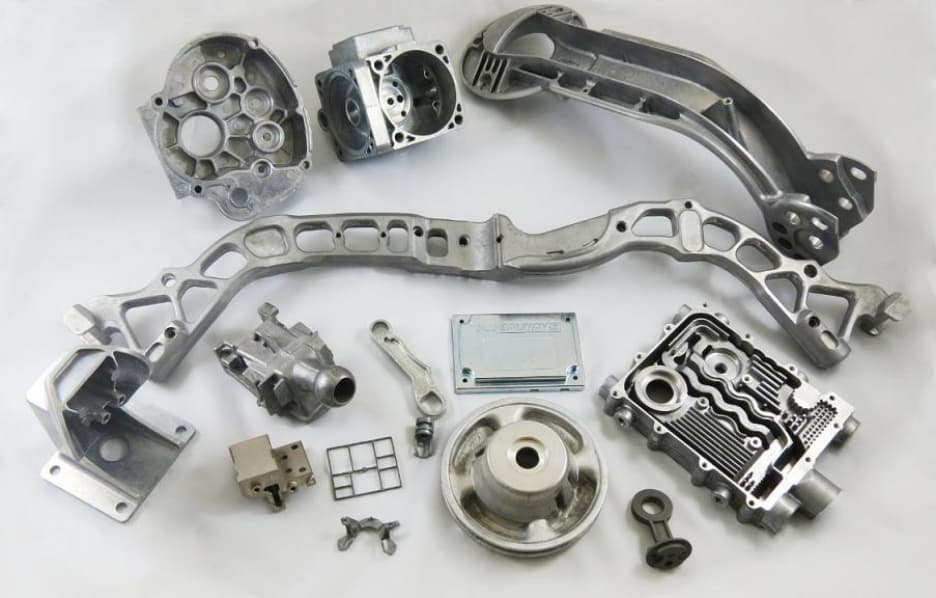
How Aluminum Foundry techniques have evolved with technology
Comprehending the Role of Aluminum Foundry in Creating High-Quality Metal Products
Aluminum factories are necessary in the manufacturing of high-grade metal products. They utilize various casting methods, such as sand and pass away spreading, to attain precision and resilience. With extensive high quality control steps in place, these centers assure that their items satisfy market requirements. As industries develop, the duty of Aluminum shops remains to adapt. This questions regarding future technologies and sustainability practices that may redefine their effect.
The Aluminum Spreading Process: Methods and Technologies
The Aluminum casting process has developed substantially, including various techniques and innovations that boost efficiency and item top quality. Commonly, techniques such as sand spreading and die spreading were primary; however, advancements have presented processes like investment spreading and low-pressure die spreading. These innovations enable suppliers to attain intricate styles and tighter tolerances, decreasing material waste and boosting total efficiency.
The assimilation of computer-aided layout (CAD) and simulation software allows for even more exact modeling and screening, guaranteeing that potential concerns are identified early in the production cycle. Metal Castings. Additionally, advancements in alloy formulations bring about boosted mechanical homes and corrosion resistance
These developments not just simplify manufacturing yet likewise advertise sustainability by minimizing energy intake and discharges. As the market remains to welcome brand-new technologies, the Aluminum spreading process continues to be an essential component in generating high-quality metal products that meet varied market needs.
Applications of Aluminum in Various Industries
Aluminum's adaptability and desirable homes make it an important material across numerous sectors. In the auto market, Aluminum is widely utilized for its lightweight features, adding to enhanced fuel efficiency and performance. The aerospace market likewise benefits, as light weight aluminum's high strength-to-weight proportion enhances aircraft style while keeping safety requirements.
In building and construction, Aluminum is favored for its sturdiness and resistance to deterioration, making it perfect for home window frames, roofing, and structural elements. The product packaging sector leverages aluminum's non-toxic nature and recyclability, particularly in food and drink containers, making sure safety and sustainability.
In addition, the electric industry utilizes Aluminum for its outstanding conductivity in electrical wiring and transmission lines. The durable goods industry utilizes Aluminum in items ranging from kitchen utensils to electronic devices, emphasizing its adaptability. Consequently, Aluminum plays a vital duty in boosting functionality, effectiveness, and sustainability across diverse applications.
Advantages of Making Use Of Aluminum Over Various Other Steels
While several steels are employed in different applications, Aluminum sticks out as a result of its one-of-a-kind combination of residential properties that supply numerous advantages over other products. Its light-weight nature substantially reduces transportation prices and power intake, making it excellent for sectors such as auto and aerospace. Light weight aluminum's excellent deterioration resistance enhances resilience, extending the life of items and minimizing upkeep demands. In addition, it shows high thermal and electrical conductivity, making it suitable for electric and thermal management applications.
The steel's pliability enables for detailed layouts and complicated forms, supplying adaptability in producing procedures. In addition, Aluminum is 100% recyclable without loss of quality, promoting sustainability and decreasing ecological impact. Aluminum Foundry. These qualities, incorporated with its relatively inexpensive contrasted to other metals, setting Aluminum as a recommended selection across numerous sectors. Overall, the benefits of Aluminum add to its increasing popularity in the production of top notch steel products

Top Quality Control Measures in Aluminum Foundries
Quality control procedures play an essential function in the Aluminum Foundry procedure, guaranteeing that the final products fulfill extensive industry criteria and client expectations. These actions generally begin with material evaluation, where raw Aluminum is reviewed for pureness and structure. When the spreading process begins, temperature control is crucial; maintaining ideal molten metal temperature levels protects against flaws such as porosity and contraction.
Additionally, non-destructive screening (NDT) strategies, consisting of radiographic and ultrasonic inspections, are utilized to find internal problems without damaging the spreadings. Visual examinations are likewise carried out at various phases to determine surface area flaws.
Adherence to recognized high quality monitoring systems, such as ISO standards, is necessary for keeping consistency and traceability throughout the manufacturing process. Normal audits and staff member training on high quality criteria add to a total society of excellence, making sure that the products not only go beyond however fulfill client expectations in efficiency and sturdiness.
The Future of Aluminum Foundries: Fads and Sustainability
As the Aluminum Foundry market develops, emerging fads and a concentrate on sustainability are reshaping its landscape. Boosting need for resilient and lightweight products in fields like automobile and aerospace drives advancement in Aluminum spreading techniques. Advanced innovations, such as expert system and automation, are enhancing manufacturing performance and precision while decreasing see this here waste.
Sustainability is coming to be a paramount problem, prompting factories to carry out environmentally friendly methods, consisting of reusing Aluminum scrap and making use of renewable resource sources. The shift towards circular economic climate concepts urges shops to minimize environmental influence while meeting consumer expectations for lasting items.
In addition, governing pressures are pushing the industry towards cleaner operations, fostering collaboration in between suppliers and ecological organizations. As these trends converge, the future of Aluminum foundries will likely be defined by a dedication to sustainability, high quality, and effectiveness, guaranteeing their importance in a competitive market.
Frequently Asked Inquiries
What Are the Environmental Effects of Aluminum Foundries?
Light weight aluminum foundries contribute to ecological influences via energy consumption, greenhouse gas exhausts, and potential air and water contamination. In addition, mining bauxite for Aluminum can result in environment devastation and soil degradation, influencing regional environments.
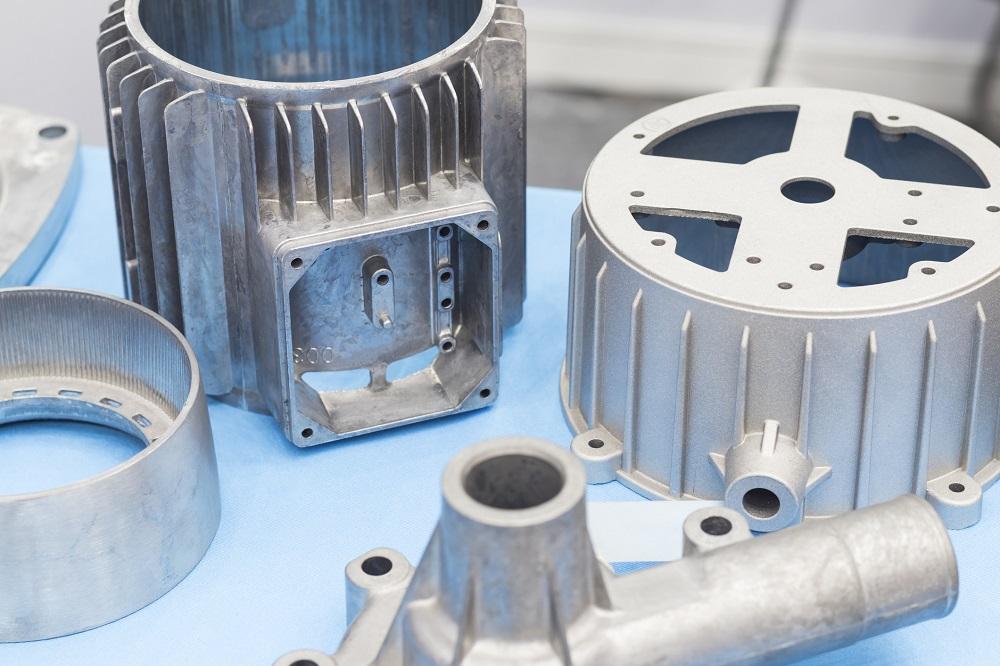
Just How Do Shops Ensure Employee Security Throughout Manufacturing?
Factories apply strenuous safety and security methods, consisting of protective tools, ventilation systems, and regular training. They perform risk assessments and keep safety criteria to lessen dangers, making certain a safer working setting for staff members throughout the manufacturing process.
What Accreditations Should a Light Weight Aluminum Foundry Have?
A light weight aluminum Foundry ought to possess accreditations such as ISO 9001 for quality management, ISO 14001 for environmental monitoring, and OSHA conformity for security standards. These certifications ensure adherence to market regulations and commitment to high quality and safety and security practices.
Exactly How Does Aluminum Recycling Affect Foundry Workflow?
Aluminum reusing considerably enhances Foundry procedures by providing an review affordable raw product resource, minimizing power consumption, and reducing ecological influence - Aluminum Castings. It also encourages lasting methods, enabling factories to preserve competition in a swiftly progressing market
What Prevail Issues in Aluminum Castings?
Typical defects in Aluminum spreadings include porosity, shrinkage, incorporations, and surface blemishes. These problems can occur from improper mold design, inadequate putting methods, or contamination throughout the melting and casting procedures, affecting overall product top quality.